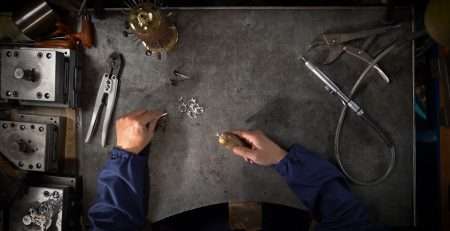
The Arezzo’s goldsmithing tradition
The Arezzo’s goldsmithing tradition has deep roots in human history, dating back to ancient times when the skill of making jewelry was considered a form of mastery and status. The art of goldsmithing, steeped in culture and craftsmanship, has spanned centuries and continents, adapting and evolving with the passage of time.
Millennial Origins
The origins of the goldsmithing tradition can be traced back thousands of years, when early civilizations began shaping precious metals to create ornaments. Ancient Egypt is known for its elaborate and refined jewelry, where the use of gold, silver and gems had deep symbolic and religious significance. Jewels, often worn by pharaohs and the aristocratic classes, not only adorned the body but were also seen as protective amulets.
The Golden Age and Medieval Crafts.
Over time, the goldsmithing tradition spread throughout the ancient world, taking on unique characteristics in each culture. During the Golden Age in Greece, goldsmithing reached extraordinary levels of sophistication, with metalwork incorporating mythological and symbolic themes. In medieval Europe, goldsmithing became an expression of religious devotion and social status, with the creation of intricate jewelry such as crowns and crucifixes.
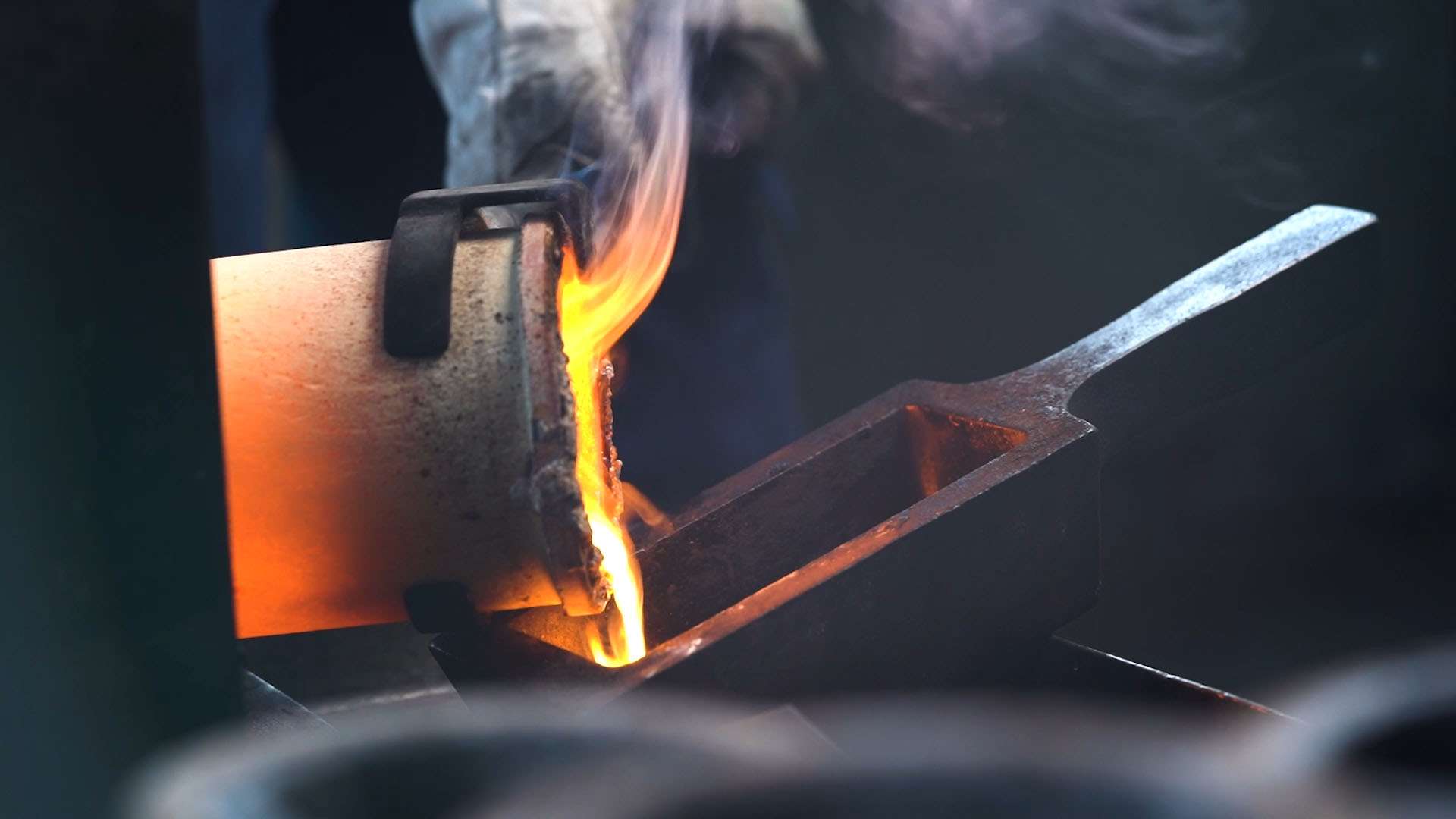

Renaissance and Baroque: The Revival of Goldsmithing
The Renaissance marked a new era for goldsmithing, with artists such as Benvenuto Cellini in Italy elevating jewelry making to an art form. European courts became centers of goldsmithing innovation, and the use of precious stones and the introduction of techniques such as engraving became hallmarks of this era. The later Baroque saw the emergence of precious theatrical and opulent artifacts, often featuring elaborate curves and intricate ornamentation.
The Aretine Goldsmith Tradition: A Treasury of Craftsmanship and History
The art of goldsmithing in Arezzo, a city in the heart of Tuscany just a few miles from Florence, represents a millennia-old tradition that has withstood the passage of time, turning into a veritable treasure trove of craftsmanship and craftsmanship history. The roots of this tradition go back to the Middle Ages, when Arezzo was one of the most important centers of jewelry and precious metal trade in Italy.
Ancient and Renaissance History: The Birth of an Artisan Excellence
The goldsmith’s art of Arezzo can boast a history that goes back as far asEtruscan times. However, it is during the medieval and Renaissance periods that it reaches its peak. The influence of the likes of Piero della Francesca and Vasari helped shape a unique and refined style. The goldsmith workshops of the time produced extraordinary works, characterized by finely crafted details and skillful use of precious metals.
During the Renaissance, Arezzo was an important artistic and cultural center, and the goldsmith tradition grew exponentially. Arezzo’s master goldsmiths were known for their skill in carving gems, working with gold and silver, and creating extraordinary jewelry for nobles and members of high society.
Craftsmanship: Techniques and Materials
Jewelry production Emodì is characterized by craftsmanship that has spanned the centuries. Traditional techniques have been handed down from generation to generation, creating a continuity that is reflected in the quality and beauty of the artifacts produced. Goldsmithing is an art that requires extraordinary craftsmanship.
Arezzo goldsmiths must possess in-depth knowledge of metalworking, gemstone selection and processing, and impeccable precision in design and creation. Many techniques, such as filigree and inlay, take years of practice to master.
Yellow, white and rose gold are expertly crafted to create jewelry that embodies elegance and sophistication as the ultimate expression of the made in Italy product.
The Cultural Significance of the Goldsmithing Tradition.
Arezzo’s goldsmith tradition has always had deep cultural significance. In addition to its aesthetic function, jewelry making has often reflected the beliefs, traditions, and history of a community. For example, engagement rings and wedding bands are steeped in symbolism and represent a lasting commitment. In many cultures, jewelry is also passed from generation to generation, becoming family treasures that tell stories of love, heritage, and life.
Contemporary Artisans: Preserving Tradition
Experienced artisans still work with passion and dedication to create unique jewelry and for the Emodì brand. Contemporary goldsmiths in Arezzo not only preserve ancient techniques but also adapt them to modern needs and tastes. Arezzo’s goldsmith art combines tradition and innovation as an integral part of Arezzo’s cultural heritage. The jewelry produced in this city is often considered true works of art, an expression of a tradition that has withstood the challenges of time.
The Goldsmith Tradition As a Priceless Art Form
The goldsmith tradition in Arezzo is a testament to human creativity and our connection to beauty. Through the centuries, goldsmiths have shaped precious metals into works of art that go beyond their decorative function, telling stories of cultures, people and times past. Today, Arezzo’s goldsmith tradition continues to thrive, keeping ancient techniques alive and adapting to the challenges of the modern world.
The beauty and uniqueness of handcrafted jewelry testify to the commitment and skill of goldsmiths, making the goldsmith tradition not only an important part of our past, but also a priceless treasure to be preserved for future generations.